Boundary-layer dynamics
Investigating how turbulence, mixing, and daily atmospheric transitions shape the air closest to the surface.
Atmospheric physicist · Research scientist
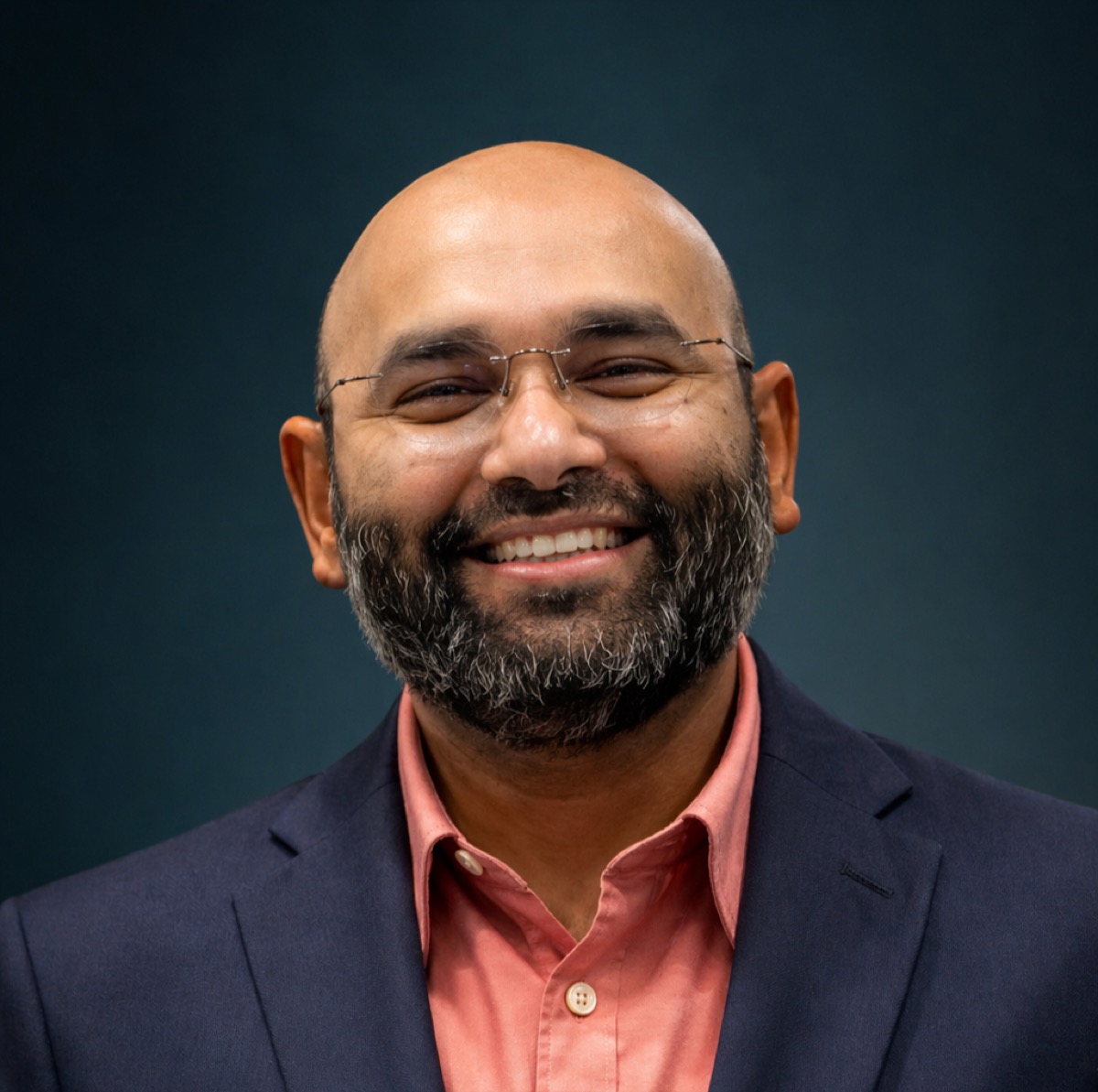
I’m Nakul Karle, a research scientist at Howard University. I study how the lower atmosphere moves, mixes, and influences the air we breathe.
Research
Experimental observations and computational analysis, from instrument deployment to physical insight.
Investigating how turbulence, mixing, and daily atmospheric transitions shape the air closest to the surface.
Connecting vertical profiles with surface observations to understand wildfire smoke, ozone, and particulate matter.
Bringing remote sensing, in situ instruments, and reproducible analysis together to characterize atmospheric processes.
About
I’m an experimental atmospheric physicist working at the intersection of optical remote sensing, in situ observations, and scientific computing.
At Howard University’s NOAA Cooperative Science Center for Atmospheric Science and Meteorology, my research focuses on boundary-layer turbulence, thermodynamic structure, and atmospheric transport. My work brings together Raman lidar, ceilometers, radiosondes, and UAV-based measurements.
Born and raised in Mumbai, I studied physics at the University of Mumbai before moving to the United States. My background spans physics, computational science, and environmental engineering. I earned my Ph.D. at the University of Texas at El Paso, where I studied boundary-layer processes and air pollution in complex terrain.
Howard University · NOAA Cooperative Science Center
Howard University
Howard University · Wildland-fire observations
University of Texas at El Paso · Atmospheric physics
Ph.D., Environmental Science and Engineering
University of Texas at El Paso, 2021
M.S., Computational Sciences · UTEP, 2017
M.Sc., Physics · University of Mumbai, 2014
B.Sc., Physics · University of Mumbai, 2012
Teaching & mentorship
I teach environmental and climate science and mentor undergraduate and graduate researchers in atmospheric observations, scientific programming, data analysis, and communication.
2026 teaching recognition
My wildfire-smoke and air-quality activity was selected for SERC’s Teaching Computation in the Sciences Using MATLAB Exemplary Collection.
Teaching experience includes Global Climate Change and Environmental Studies I at Howard University, alongside earth science, physical science, and astronomy instruction at UTEP.
Supporting student work in atmospheric measurement, computational analysis, scientific writing, and conference presentations.
Journal peer review, guest editing in atmospheric science, and service as a 2026 NASA Earth Science Early Career Investigator Program review panelist.
Get in touch
For research collaborations, speaking invitations, or conversations about atmospheric observations and air quality.
[email protected]